
GST
Income Tax and Constitutional matters
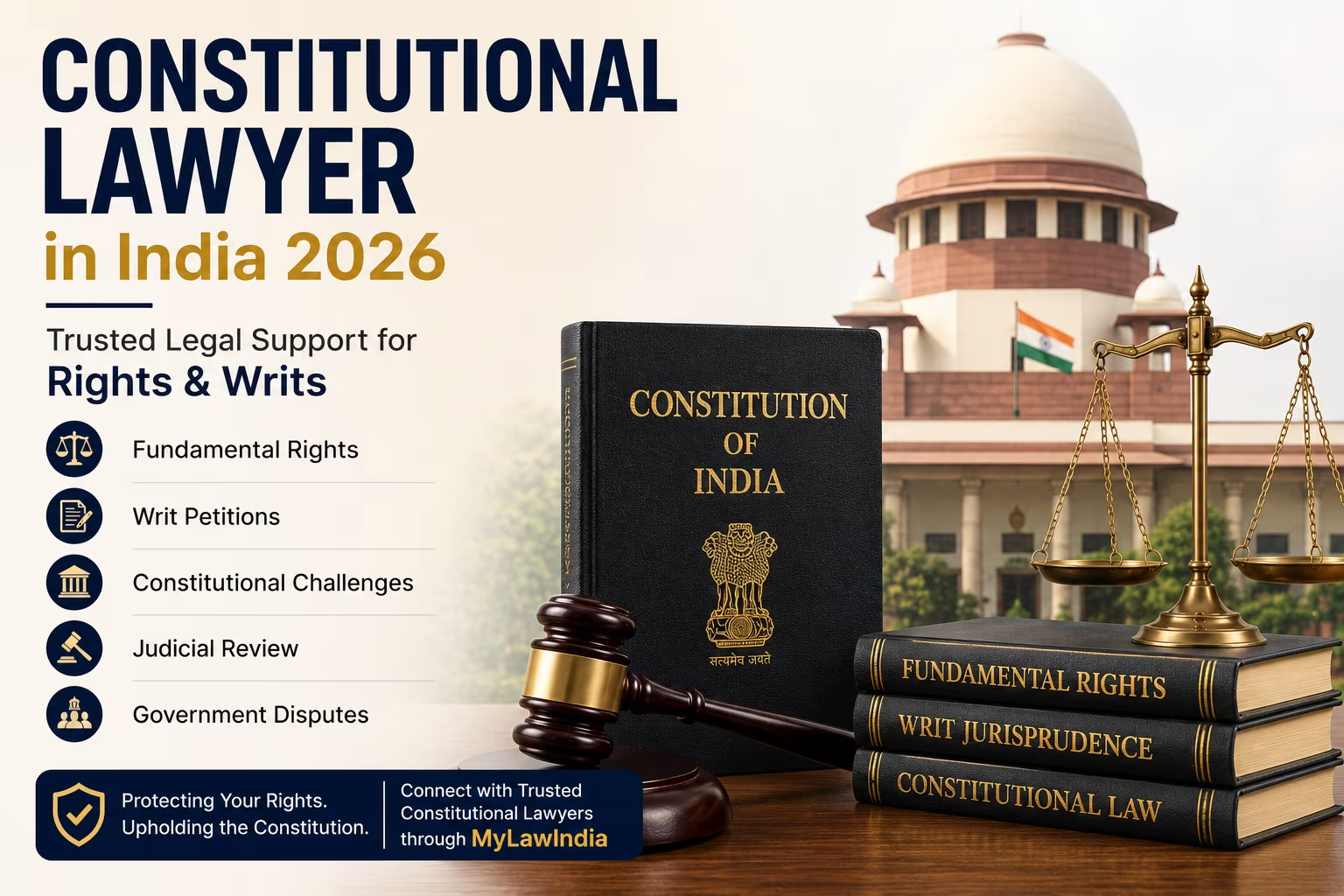
Constitutional Lawyers in India – Experienced Legal Support for Constitutional Rights and Writ Matters
1 verified constitutional advocate across India. Compare experience, courts, languages and client ratings, then contact one directly.
Constitutional law deals with the fundamental principles governing the Indian State, the relationship between citizens and public authorities, the powers of government institutions, and the protection of constitutional rights. Individuals, organisations, businesses, and public bodies may require legal assistance when a matter involves Fundamental Rights, constitutional remedies, government action, legislative validity, or other significant questions of constitutional law.
In 2026, constitutional matters in India continue to be governed primarily by the Constitution of India and the laws, rules, and judicial principles developed under it. The Constitution provides Fundamental Rights and establishes constitutional remedies for their enforcement. Article 32 guarantees the right to approach the Supreme Court for enforcement of rights conferred by Part III and empowers the Court to issue appropriate directions, orders, and writs.
An experienced constitutional lawyer can assist with matters involving Fundamental Rights, writ petitions, constitutional challenges, judicial review, government decisions, administrative action, equality and discrimination issues, freedom of speech and expression, personal liberty, due process, and other constitutional questions. A lawyer can examine the facts, government orders, legislation, notifications, administrative decisions, and supporting documents to determine the appropriate legal remedy.
Constitutional litigation may involve proceedings before the Supreme Court of India or High Courts, depending on the nature of the matter and the constitutional remedy available. Article 32 provides a specific constitutional remedy before the Supreme Court for enforcement of Fundamental Rights, while High Courts also exercise constitutional writ jurisdiction under Article 226. The appropriate forum depends on the facts, rights involved, jurisdiction, and nature of the relief sought.
Constitutional lawyers may also handle challenges concerning the validity of legislation, executive action, rules, regulations, policies, and administrative decisions. Such cases can involve important questions relating to legislative competence, Fundamental Rights, constitutional limitations on governmental power, and the interpretation of constitutional provisions.
Writ proceedings can provide an important legal remedy in appropriate circumstances. Constitutional writs include habeas corpus, mandamus, prohibition, certiorari, and quo warranto. The Constitution expressly recognises these forms of writ relief in Article 32 in connection with enforcement of Fundamental Rights.
Constitutional matters can involve complex questions of law and may have broader implications beyond an individual dispute. Careful legal analysis of jurisdiction, maintainability, applicable constitutional provisions, facts, evidence, and the relief sought can therefore be important before initiating proceedings.
MyLawIndia helps individuals, organisations, businesses, and other clients find suitable constitutional lawyers for different constitutional and public law matters. You can explore lawyer profiles and connect with a constitutional lawyer based on your requirements, location, and the nature of your legal matter.
1 advocate
Constitutional matters can involve important questions concerning individual rights, government authority, administrative decisions, legislation, and access to constitutional remedies. Whether you are dealing with a Fundamental Rights issue, writ matter, government action, constitutional challenge, or another public law dispute, appropriate legal guidance can help you understand the applicable constitutional provisions and available remedies.
If you are looking for a constitutional lawyer in India, MyLawIndia makes it easier to explore experienced legal professionals who handle constitutional litigation, writ petitions, Fundamental Rights matters, judicial review, government disputes, constitutional challenges, administrative law issues, and other constitutional legal matters. Review suitable lawyer profiles and connect with a qualified constitutional lawyer to discuss your specific situation, understand your legal options, and take an informed step toward addressing your matter.
Frequently Asked Questions
A constitutional lawyer handles legal matters involving the Constitution of India, Fundamental Rights, writ remedies, government action, constitutional challenges, judicial review, and other public law issues. A lawyer may represent clients before High Courts and the Supreme Court in appropriate constitutional proceedings.
Constitutional lawyers may handle Fundamental Rights disputes, writ petitions, challenges to government action, constitutional validity of legislation, administrative law matters, freedom of speech issues, equality and discrimination matters, personal liberty cases, and other constitutional disputes.
A constitutional writ petition is a proceeding seeking an appropriate constitutional remedy from a High Court or the Supreme Court. Article 32 specifically empowers the Supreme Court to issue appropriate writs for enforcement of Fundamental Rights, including habeas corpus, mandamus, prohibition, certiorari and quo warranto.
Depending on the facts, jurisdiction, and applicable law, a constitutional lawyer can advise on challenging government or administrative action through an appropriate legal proceeding. The available remedy may depend on the constitutional right involved, the nature of the decision, and the authority that made it.
You can explore constitutional lawyer profiles on MyLawIndia and consider factors such as relevant experience, practice area, location, and available profile information. You can then connect with a suitable constitutional lawyer to discuss your writ matter, Fundamental Rights issue, government dispute, constitutional challenge, or other public law concern.